(Image via
Caring for a garden brings a sense of accomplishment as you witness your first ripe tomato glistening in the sunlight. Flipping through seed catalogs, feeling the earth between your fingers, and sampling freshly picked produce make each day in the garden special. Anyone can enjoy these simple pleasures, no matter the size of their yard or the tools at hand. You can grow healthy, productive plants by following a few straightforward steps. Discover six practical and easy techniques that help turn even the smallest garden spaces into productive, rewarding patches of homegrown goodness.
Test and Amend Your Soil Naturally
- DIY pH test: Mix a scoop of soil with white vinegar; if it fizzes, it’s alkaline. Combine soil with baking soda and water; bubbling means acidity.
- Texture check: Grab a moist handful of soil. Sandy crumbles quickly, clay feels sticky, loamy soils hold shape without clumping hard.
- Organic amendment ideas:
- Crushed eggshells for calcium—rinse and grind before working into beds.
- Aged manure for nitrogen—use chicken or cow manure aged at least six months.
- Leaf mold for structure—pile fallen leaves, moisten, then turn every few weeks until crumbly.
Testing soil takes minutes, but the payoff lasts seasons. When you match each amendment to its deficiency, plants root deeper, resist pests, and deliver richer flavor.
Choose Companion Plants to Keep Pests Away
- List your main crop and research natural deterrents: Marigolds repel nematodes, basil wards off whiteflies, and nasturtiums lure aphids away.
- Sketch your bed on paper, marking each plant’s footprint. Alternate rows or patch squares of deterrent plant among your vegetables.
- Rotate your layout each season to confuse pests that overwinter in soil.
One gardener tucked blocks of dill between tomato vines. Within weeks, predatory wasps swooped in, hunting aphid hordes. That small swap improved yield by 20% and saved on organic sprays.
Maximize Growth with Smart Watering Techniques
Overwatering drowns roots; under-watering starves plants. Aim for deep, infrequent soaking instead of daily shallow sprinkles. Early morning irrigation reduces evaporation and limits fungal growth. Use a rain gauge or DIY marker—an upturned tin can—to track rainfall so you don’t water on rainy weeks.
Install simple drip lines or a soaker hose under mulch to deliver water directly to roots. You’ll see fuller leaves and fewer weeds. In a community garden test, gardeners who switched from overhead sprinklers to drip systems cut water use by 40% while boosting tomato weight by a quarter.
Use Organic Mulches to Keep Weeds Down and Hold Moisture
Mulch covers bare soil, locking in moisture and blocking weed seeds from sprouting. Straw, grass clippings, and wood chips all work well when applied in a two- to three-inch layer. Keep mulch a couple of inches away from plant stems to prevent rot.
After planting peppers and lettuce, a gardener layered pine needles around seedlings. The pine mulch kept soil cool through a July heatwave, and lettuce stayed crisp three weeks longer than in unmulched beds. Expect less weeding and more time enjoying harvests.
Make Your Own Fertilizers and Compost Teas
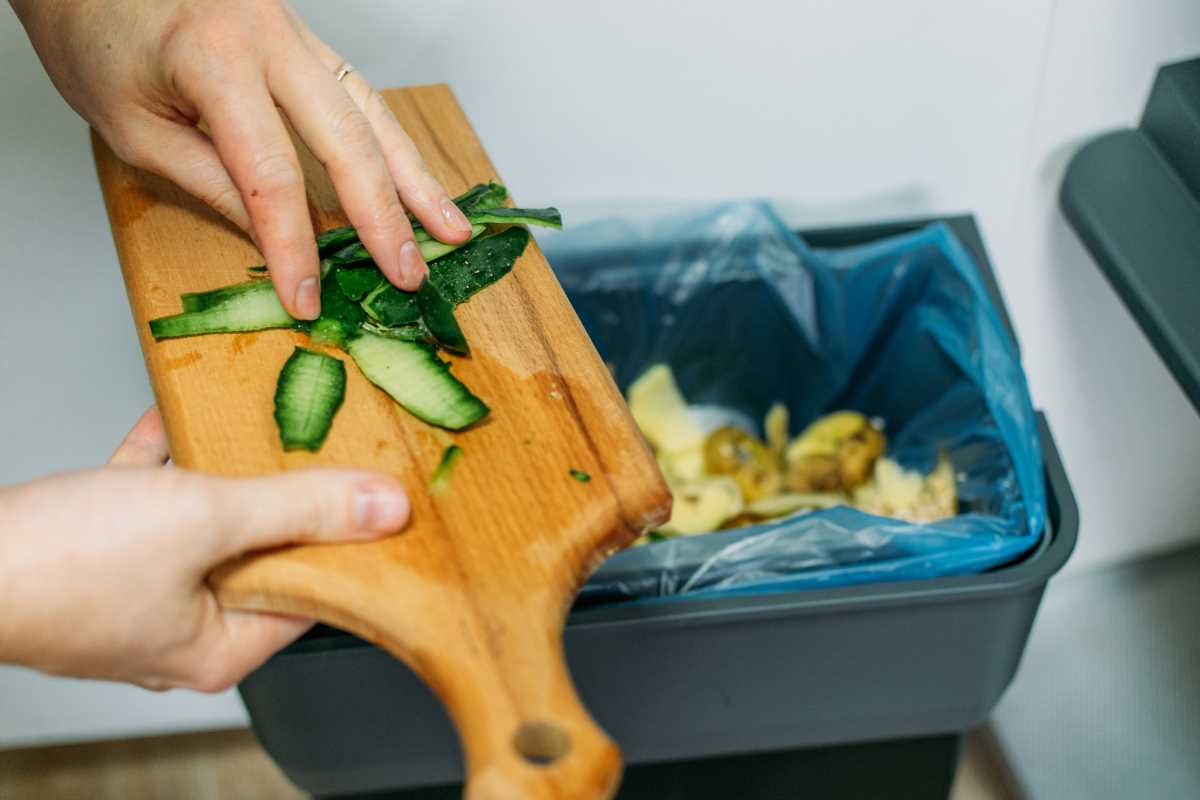
Turn kitchen scraps and yard waste into liquid gold. Fill a five-gallon bucket with water, add a shovel of finished compost, and stir daily for a week. Strain out solids, and dilute the brew to half strength. Use it on leafy greens to boost growth.
Banana peels boiled in water produce a potassium-rich tea for flowering plants. Fish emulsion mixed at label strength encourages root growth in new transplants. By making your own feeds, you save money and reduce dependence on store-bought products.
Rotate and Mix Up Your Crops to Keep Soil Healthy
Planting the same family in one bed invites pest buildup and nutrient depletion. Switch from nightshades (tomatoes, peppers) to legumes (beans, peas) next season. Legumes fix nitrogen, naturally enriching your soil.
Block cropping—growing three or more plant families together—keeps soils balanced and reduces disease spread. One backyard grower alternates brassicas with onions and beans each year. Soil tests showed steady organic matter gains and fewer fungal issues.
Use these six tricks to create an eco-friendly edible garden with less effort on weeds and pests. Start with one tip, and enjoy growing fresh produce at home.