 (Image via
Baking often begins with lining trays and whipping up sugary frostings, routines that bring comfort and tradition to the kitchen. Small changes in the ingredients you choose, though, can make a big difference for the planet without sacrificing the joy of a delicious treat. Swapping out certain baking staples for options that are kinder to the environment allows you to enjoy every bite with a little more purpose. These thoughtful choices keep all the flavor and texture you love, while also reducing your impact on the world around you. Every cake or cookie can become a simple act of care for both your taste buds and the earth.
Beyond the usual “swap butter for oil” line, you can explore earth-friendly ingredients that bring unique notes and mouthfeel. Small adjustments—like opting for ground flaxseed instead of eggs—can reduce waste and carbon footprints. Each change tells a story of smarter sourcing and simple steps that anyone with an oven can follow.
Make Sweet Traditions Part of Eco-Friendly Routines
- Rethink where sugar comes from: Swap conventional cane sugar for locally produced honey or maple syrup to cut transport emissions and support regional farmers. This change adds nuanced floral or woodsy notes. Keep track of viscosity when measuring to maintain batch consistency.
- Choose different flour options: Replace bleached all-purpose flour with whole-grain spelt or oat flour milled nearby. That adds depth to crumb structure and preserves fiber. Store these flours in airtight containers in a cool, dry spot to prevent rancidity.
- Use egg alternatives: Mix ground flaxseed with water to bind ingredients. That choice cuts cholesterol and makes use of pantry staples. Stir flaxseed meal with warm water, let it gel, then mix and match according to recipe proportions.
- Opt for plant-based fats: Swap dairy butter for unrefined coconut oil or avocado oil. Both bring a creamy mouthfeel and more stable shelf life. Measure at room temperature and whisk into batters as you would softened butter.
Creative Ingredient Substitutions for Guilt-Free Sweets
Discover new flavor profiles by adding unexpected pantry items. Date paste, made by blending soaked dates with a splash of water, acts as both sweetener and thickener. It carries minerals like potassium and leaves a caramel note that pairs beautifully with spices like cinnamon or cardamom. Use it in equal weights for sugar, reducing liquid slightly to account for moisture content.
Another clever idea: replace refined white sugar with dehydrated fruit powders—think banana or strawberry powder sourced from surplus produce. These powders add color, fragrance, and natural sweetness without extra processing. Use about a quarter cup of powder per cup of sugar and adjust liquids if the batter becomes too thick. The result feels playful, bright, and surprisingly complex.
Step-by-Step Guide to Each Replacement
Flax Egg Binder
Purpose: Bind wet and dry components while reducing environmental waste.
- Steps:
- Measure one tablespoon of ground flaxseed per egg.
- Whisk into three tablespoons of warm water.
- Let the mixture sit for five minutes until gelled.
- Cost & availability:
- Under $0.10 per serving
- Widely available
- Insider tip:
- Gently fold into the batter at the end to preserve lift.
Date Paste Sweetener
Purpose: Replace white sugar with nutrient-rich fruit.
- Steps:
- Pit and soak one cup of dates in hot water for ten minutes.
- Drain and puree in a food processor with two tablespoons of the soak water.
- Substitute one cup of date paste for one cup of sugar.
- Cost & availability:
- About $1.50 per cup
- Common in bulk bins
- Insider tip:
- Taste the puree before mixing to fine-tune spice balance.
Oat Flour Base
Purpose: Boost fiber, use pantry oats, and reduce gluten content.
- Steps:
- Pulse two cups of rolled oats in a blender until finely ground.
- Sift once to remove larger particles.
- Substitute at a 1:1 ratio for all-purpose flour and reduce baking soda by 10 percent.
- Cost & availability:
- Around $0.50 per cup
- Easily found in grocery stores
- Insider tip:
- Lightly toast oats before blending for a deeper, nuttier flavor.
Coconut Oil Fat Swap
Purpose: Provide a stable, vegan fat suitable for higher temperatures.
- Steps:
- Melt one cup of unrefined coconut oil, then allow it to cool slightly.
- Cream with sugar until fluffy.
- Continue following the original recipe for combining wet and dry ingredients.
- Cost & availability:
- Roughly $0.20 per tablespoon
- Sold in jars or bulk sections
- Insider tip:
- Use a chilled bowl to prevent oil separation during mixing.
Fruit Powder Boost
Purpose: Add natural color and sweetness with minimal waste.
- Steps:
- Purchase dehydrated fruit powders in bulk.
- Add two to three tablespoons per cup of sugar replacement.
- Reduce liquid ingredients by up to two tablespoons to maintain texture.
- Cost & availability:
- About $0.30 per tablespoon
- Available online or at health-focused grocers
- Insider tip:
- Mix the powder thoroughly into dry ingredients for even distribution.
Seasonal Sourcing and Smart Storage Tips
- Visit local farmers' markets to buy seasonal produce like berries or stone fruit, then dehydrate or freeze extras for later baking. This reduces reliance on shipped goods and preserves flavor. Label and date packages to help with rotation and reduce waste.
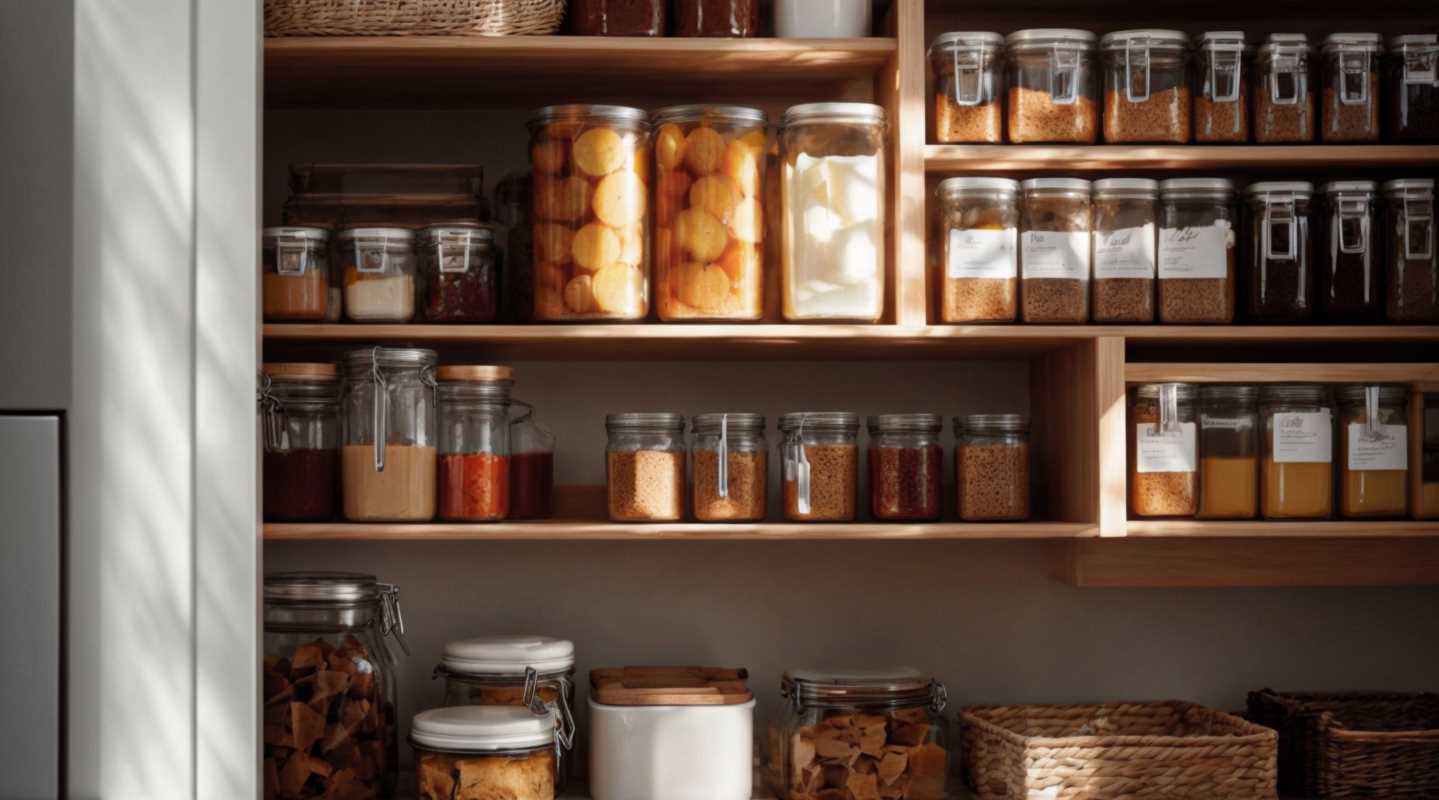
- Buy pantry staples like whole grains, nuts, and seeds in bulk—then transfer them into glass jars. That reduces packaging waste and makes it easier to monitor quantities. Keep jars in a cool, dark place to prevent rancidity.
- Store flours and powders in vacuum-sealed bags or containers with oxygen absorbers. This method extends shelf life by months compared to store-bought packaging. Keep the newest stock at the back and rotate regularly.
Eco-Friendly Equipment and Packaging Choices
Choose reusable silicone baking mats instead of single-use parchment paper. These mats offer nonstick surfaces, don’t tear, and last for hundreds of batches. Wipe them with warm water and air-dry before storing flat or rolled.
Switch disposable plastic piping bags for washable cloth pastry bags or food-grade silicone models. The material withstands multiple washes, and tip adapters fit standard metal nozzles. Use these with stainless steel spatulas and whisks for tools that last and avoid plastic breakdown over time.
Try these swaps gradually and see how small choices build into a lighter footprint. Each experiment helps you develop a set of easy-to-use options that are as kind to the planet as they are delicious. Start creating them in your own kitchen.