 (Image via
Fresh produce and local specialties fill farmers markets with color and excitement, turning shopping into a joyful ritual. Even as the weather shifts and the seasons turn, you can continue to support local growers and make eco-friendly choices. With a bit of preparation, thoughtful packing, and an open mind, you will discover that year-round market visits offer plenty of variety and value. This guide presents easy, down-to-earth tips for saving money, cutting down on waste, and getting to know the people who nurture your food from seed to table. Explore eight practical ideas that bring the goodness of the market into every season.
Plan Your Visits for Every Season
- In spring, look for ramps, radishes, and asparagus as soon as they appear. Buy small batches to test new finds.
- During summer, focus on high-yield items like tomatoes, zucchini, and stone fruits. Visit the market early to grab the juiciest picks before crowds arrive.
- In fall, seek out hard squashes, apples, and hearty greens. Look for special deals on bulk pumpkins—freeze purees for winter stews.
- In winter, check for cold-hardy vegetables such as kale and Brussels sprouts. Snap up root cellared carrots or beets stored by farmers.
Hitting the market with a season-focused list prevents impulse buys and food waste. Each visit pays off when you match your meal plans to what’s freshest.
Regular strolls create a rhythm. Block out a slot on your weekend calendar. Having a standing date with the market turns shopping into an easy habit rather than a rush.
Master Seasonal Shopping with a Numbered List
- Check the calendar: Find planting and harvest cycles online or in community newsletters.
- Create a simple meal plan: Choose two or three market finds and plan recipes around them.
- Adjust quantities: Scale your orders up or down based on how much you’ll actually cook in a week.
- Track what looks best: Write down a farmer’s stall name when you see standout veggies or berries.
- Review and improve: After a month, tweak your approach by swapping out items that underperform in your kitchen.
Following a clear routine helps you prepare favorite dishes without guesswork. You’ll avoid half-used peppers rotting in the fridge or unpredictable runs back to the store.
As you complete steps, you’ll notice patterns—farmers who stock your top picks, seasons that supply the brightest produce. This insight sharpens your game plan.
Pack Smart: Reusable Bags and Containers
Reusable totes and mesh produce bags aren’t just trendy—they save plastic and protect fragile goods. Swap flimsy plastic for sturdy canvas or cotton nets. They keep tomatoes from squishing and allow airflow to prevent moisture buildup.
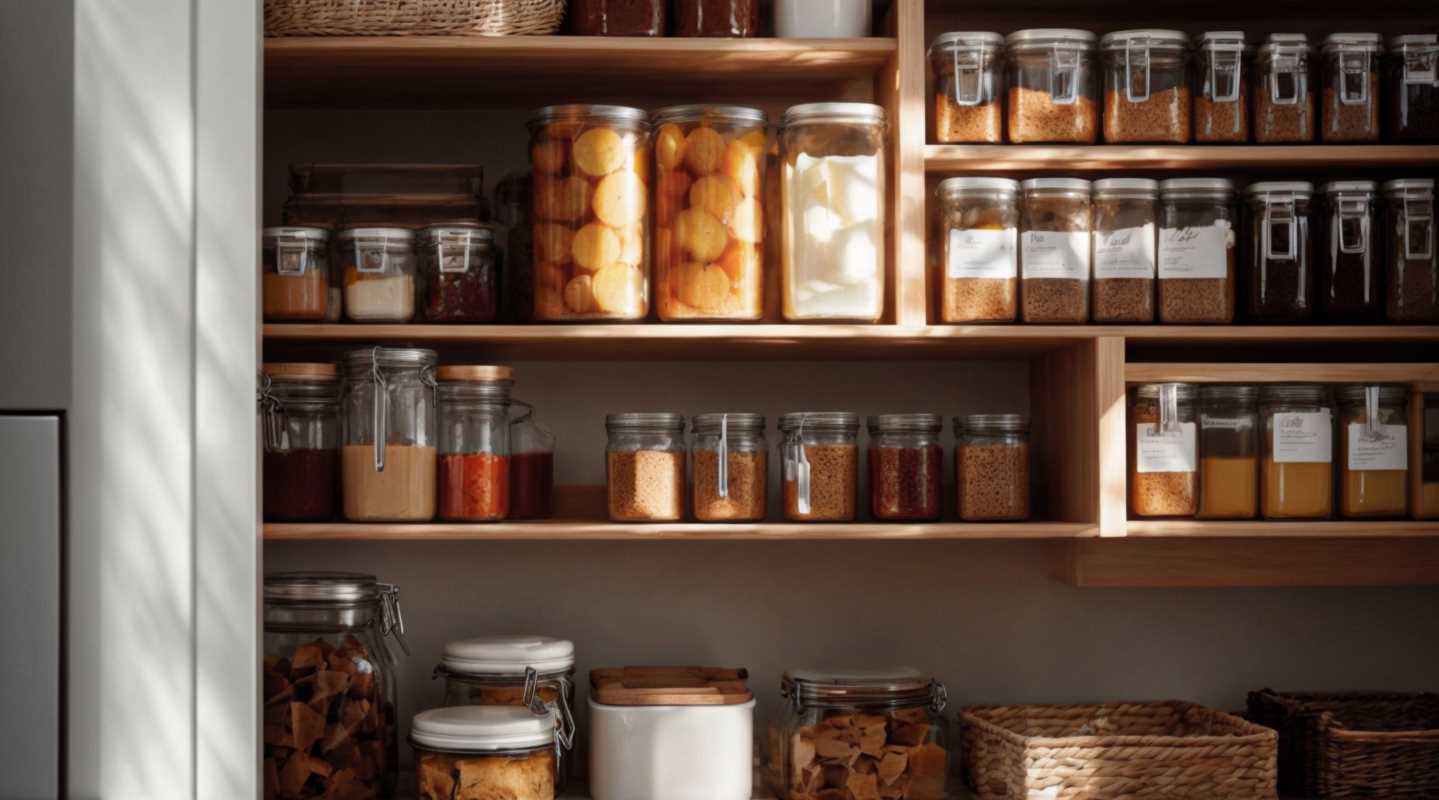
Bring small airtight containers for items like olives, loose grains, or dried herbs. If a vendor curates samples or shares bulk bins, you’ll be ready. A few glass jars also work wonders for honey, nuts, and small-batch preserves.
Build Relationships with Producers
Talking with growers can pay off. Mention your favorite finds this week—if you enjoyed those sweet strawberries, a farmer might set aside an extra pint for you. Share feedback on a new microgreen blend and they’ll remember your taste.
As they learn your preferences, growers often invite you to taste experimental crops or reserve limited harvests. If a stand sells out quickly, you can text ahead to secure your share before visiting.
Join or Form a Buying Collective
Working with neighbors or friends increases your buying power. A small group order can unlock discounts on honey, local cheeses, or seasonal preserves. Splitting a half-bushel of peaches for jam becomes affordable when five people chip in.
Coordinate via a group chat or simple spreadsheet. Assign one person to order, another to pick up, and others to help with delivery. You’ll get better rates and share the workload.
Get Creative with Leftover Produce
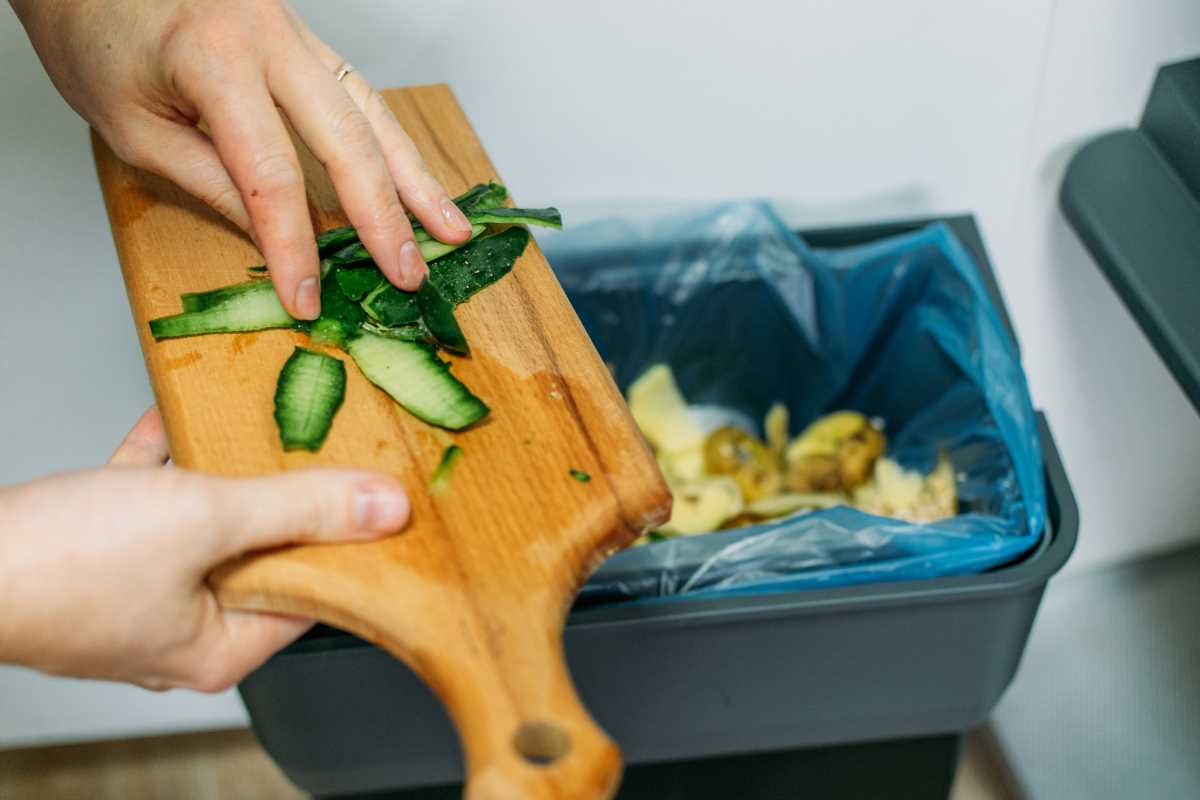
Even small veggie scraps can be useful. Broccoli stems turn into slaw; berry stems and leaves steep into infused water; potato peels bake into crunchy chips. A sharp knife and open mind can rescue ingredients from the trash.
Store bruised fruit in the freezer to blend into smoothies, compotes, or sauces later. Overripe tomatoes work well for quick sauces or soups. That way, nothing goes to waste, and you get extra value from every pound you buy.
Shopping at the market helps you save money, reduce waste, and connect with your local food scene. Try these tips next weekend and see the difference they make.