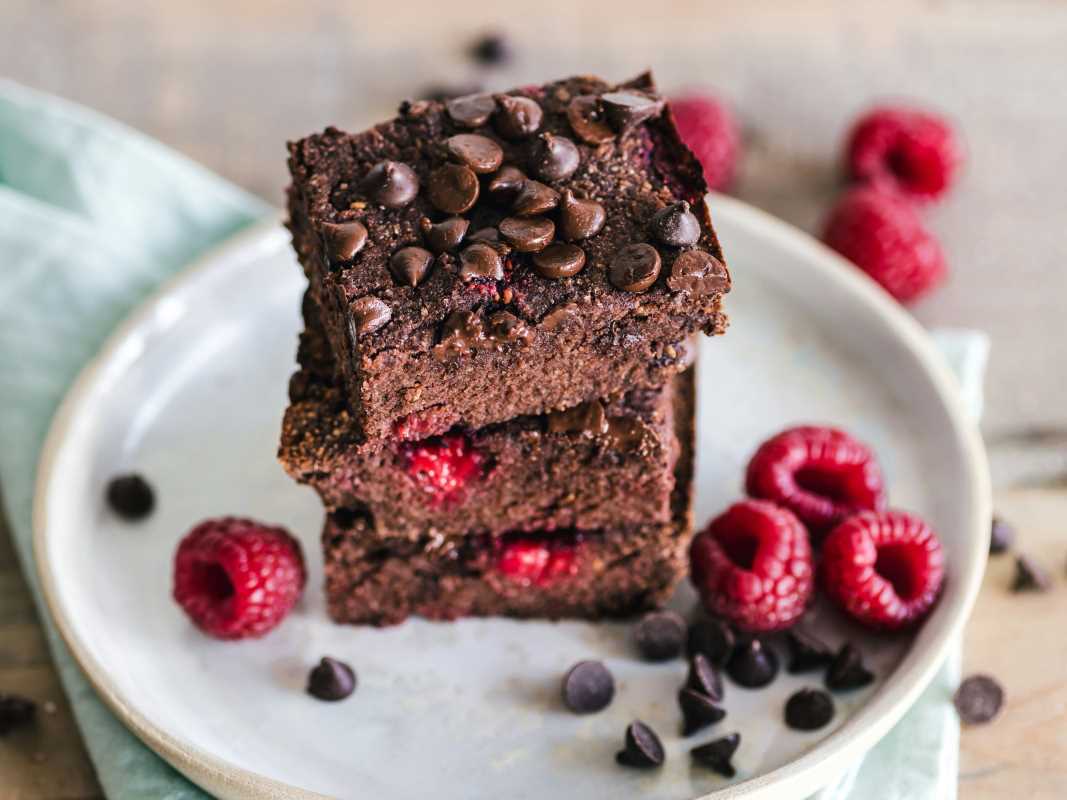
 (Image source: Gemini)
 The good news is that the way we think about fueling our bodies has undergone a massive shift recently. We are moving away from the old days of restrictive calorie counting and toward something much more effective: metabolic flexibility and nutrient density. As we move through 2026, the latest nutritional standards have basically hit the reset button on what it means to eat for energy. It is not just about eating less. It is about eating better and timing your intake to keep your internal engine running smoothly all day long.
How Food Impacts Energy
At its simplest level, your body runs on glucose. Think of glucose as the primary gasoline for your cells. When you eat, your body breaks down carbohydrates into this sugar to power everything from your heartbeat to your ability to solve a complex problem at work. But not all fuel burns the same way.
Simple sugars, like those found in soda or white bread, are like tossing a handful of dry leaves onto a campfire. You get a bright, hot flash of energy, but it burns out in seconds, leaving you with nothing but ashes and a cold hearth. This is the classic sugar crash. Complex carbohydrates, on the other hand, are like a heavy oak log. They break down slowly, providing a steady, sustained flame that keeps you warm for hours.
This is where the glycemic index comes into play. It is a scale that ranks foods based on how quickly they spike your blood sugar. If you want to avoid that mid-afternoon slump, you need to prioritize foods that sit low on this index. By choosing foods that release glucose into your bloodstream at a measured pace, you keep your insulin levels stable and your energy levels consistent.¹
Prioritizing Complex Carbohydrates and Fiber
If you want to maintain a steady flow of energy, you have to get serious about your carb choices. The 2025 to 2030 Dietary Guidelines have shifted the focus toward real, whole foods that prioritize metabolic health. This means leaning heavily into whole grains, legumes, and starchy vegetables.
Fiber is the unsung hero here. It acts like a natural brake system for your digestion. Without fiber, sugar enters your bloodstream too quickly. With it, the process slows down, which keeps your blood sugar from spiking and then plummeting. Beyond energy, fiber is the primary fuel for your gut microbiome. A happy gut usually translates to a more focused brain and a more resilient immune system.
Making the switch does not have to be a chore. It can be as simple as a few strategic swaps. Instead of that processed white bread that leaves you hungry an hour later, try a dense sourdough or a bowl of quinoa. Swap your morning sugary cereal for steel-cut oats topped with berries. Even small changes like reaching for a sweet potato instead of a standard white potato can make a noticeable difference in how you feel by mid-afternoon.
Protein and Healthy Fats for Sustained Stamina
One of the biggest changes in recent nutritional advice is the "inverted pyramid" model. Experts are now suggesting we put a much higher priority on protein and healthy fats than we used to. In fact, current recommendations suggest you should be aiming for 1.2 to 1.6 grams of protein per kilogram of body weight every single day.
Why the sudden push for more protein? It is not just for bodybuilders. Protein is needed for muscle maintenance, which is the engine of your metabolism. It also has a high satiety factor, meaning it keeps you feeling full and satisfied so you are not constantly looking for a snack.
Healthy fats are the other half of the stamina equation. We are talking about avocados, nuts, seeds, and extra virgin olive oil. These fats provide a slow-burn energy source that is particularly good for brain health. Interestingly, the latest guidelines have even softened on full-fat dairy. As long as there is no added sugar, full-fat yogurt or cheese can actually improve how your body absorbs nutrients and keep you full longer than the watery, low-fat versions.⁴
The real magic happens when you combine these macronutrients. When you pair a carbohydrate with a protein or a fat, you further slow down the absorption of sugar. An apple by itself is a fine snack, but an apple with a tablespoon of almond butter is an energy powerhouse that will carry you through to dinner.
Hydration and Micronutrients
Sometimes, the reason you feel exhausted has nothing to do with calories and everything to do with what is missing from your glass or your vitamin profile. Even mild dehydration can lead to significant fatigue and cognitive fog. If you are waiting until you are thirsty to drink water, you are already behind the curve.
Then there are the micronutrients. Think of these as the spark plugs for your internal engine. You can have all the fuel in the world, but if the spark plugs aren't firing, you aren't going anywhere. B-vitamins, Magnesium, and Iron are the big players here.
- B-Vitamins: These help your body convert dietary energy into ATP, the actual fuel your cells use.
- Magnesium: This mineral is involved in over 300 biochemical reactions, including those that manage energy production.
- Iron: This is what allows your red blood cells to carry oxygen to your brain and muscles.
To get these naturally, you should be looking toward dark leafy greens and colorful produce. A handful of spinach or a side of broccoli might seem boring, but they are packed with the minerals that prevent that "heavy limb" feeling of exhaustion.
Building Sustainable Habits for the Long Term
So how do you actually put all of this into practice without losing your mind? The easiest way is the plate method. Instead of weighing every gram of food, just look at your plate. Half of it should be colorful vegetables, a quarter should be high-quality protein, and the last quarter should be complex carbohydrates. Add a thumb-sized portion of healthy fats, and you have a perfectly balanced meal.
Another powerful approach is what experts call Protein Pacing. Instead of eating a small breakfast and a massive dinner, try to distribute 20 to 40 grams of protein across four to six smaller meals or snacks throughout the day.² This keeps a steady stream of amino acids in your system and helps stabilize your blood sugar.
You might also consider the timing of your meals. Recent studies have shown that combining a version of intermittent fasting with protein pacing can significantly improve gut health and weight management.³ It is about finding a rhythm that works for your specific body. In fact, many people are now using tools like continuous glucose monitors to see exactly how certain foods affect them in real time.
This article is for informational and educational purposes only. Readers are encouraged to consult qualified professionals and verify details with official sources before making decisions. This content does not constitute professional advice.